
The Most Expensive ZIP Code in 25 Major U.S. Cities (2025 Edition)

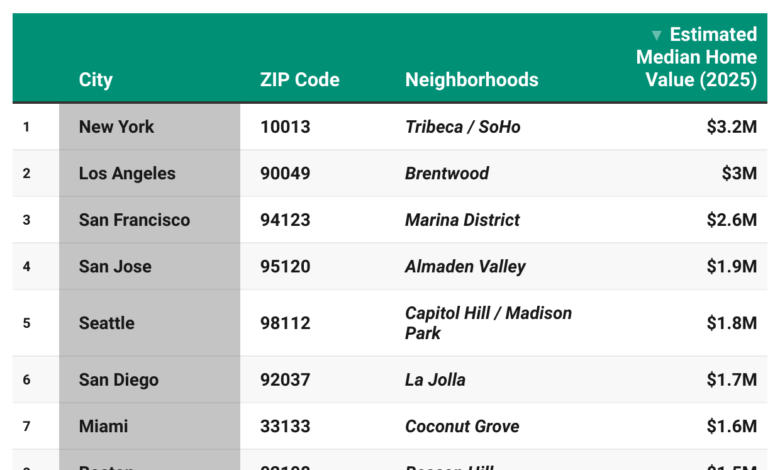
America’s most expensive ZIP codes tell a broader story about how wealth, housing scarcity, and demographic change interact in 2025. Coastal luxury markets remain dominant, but high-end demand has diversified across the country, creating new luxury hubs in places like Miami’s Coconut Grove, Austin’s West Lake Hills, and Seattle’s upscale lakefront neighborhoods.
Across the United States, wealth continues to concentrate in select urban neighborhoods where land is scarce, demand is intense, and housing inventory remains both limited and highly exclusive. In these pockets—whether New York’s historic loft districts, Los Angeles’s celebrity-lined hillsides, or Miami’s waterfront enclaves—the median home value far exceeds not only citywide averages but also the national luxury market as a whole.
This 2025 analysis identifies the single most expensive ZIP code in each of the 25 largest U.S. cities, using the best available home-value data from Zillow, Redfin, and local assessments. The result is a detailed picture of where urban wealth resides today and how shifting demographics, tech-driven prosperity, and post-pandemic migration patterns have reshaped America’s housing map.
Where Urban Wealth Concentrates in 2025
The geography of urban wealth in the United States is shaped by a combination of historic prestige, geographic constraints, economic opportunity, and lifestyle-driven demand. In cities like New York, San Francisco, and Los Angeles, the most expensive ZIP codes remain anchored in long-established luxury districts with deeply entrenched desirability; these neighborhoods combine architectural uniqueness, celebrity influence, and severe land scarcity.
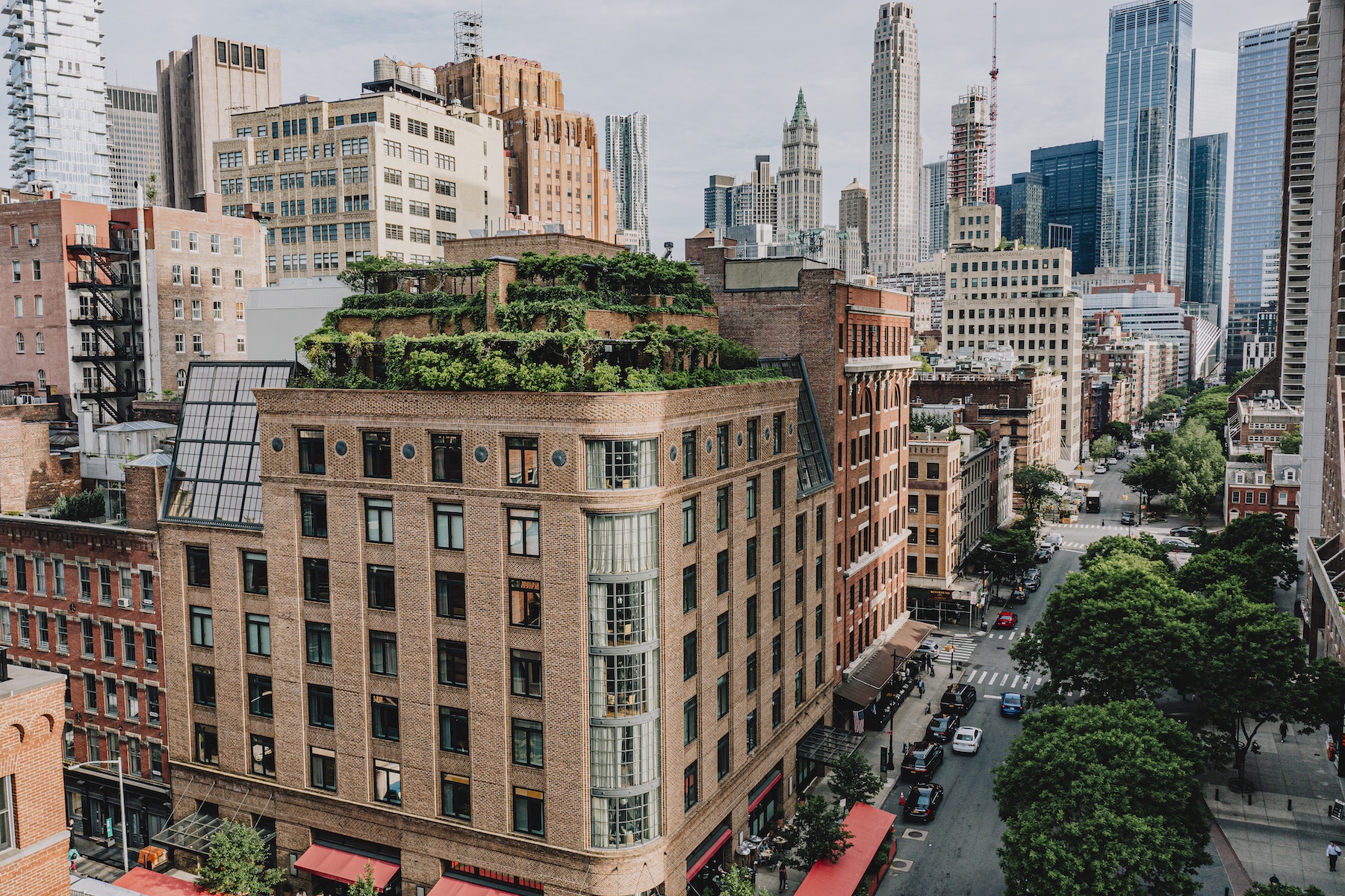
Areas such as Tribeca (10013) and Brentwood (90049) maintain multimillion-dollar medians not only because of their amenities, but because there is virtually no room for substantial new supply—preserving high prices regardless of broader housing cycles. Even as some residents relocate to suburbs or Sun Belt metros, the top-tier ZIPs in these gateway cities remain in a class of their own.
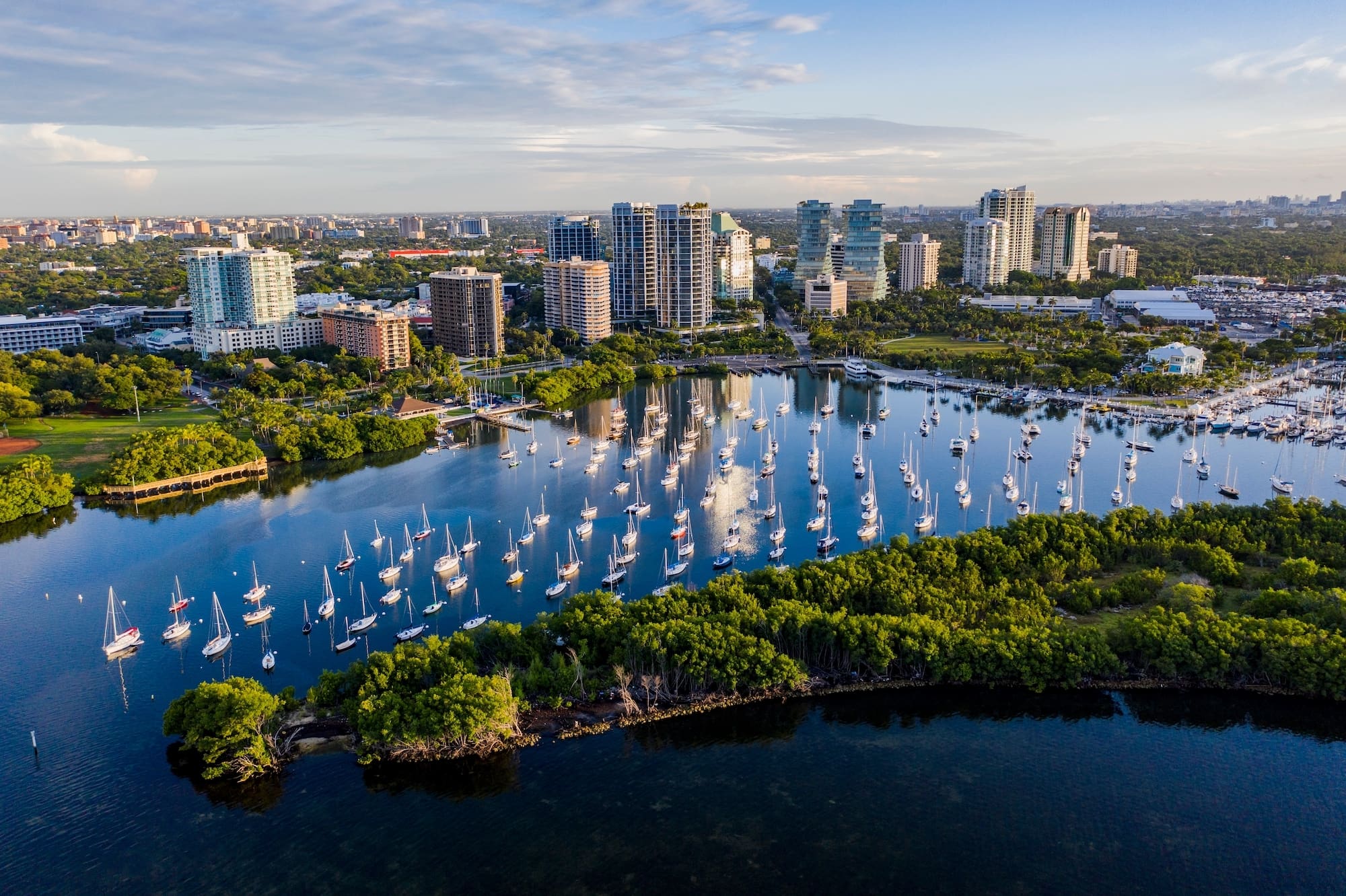
At the same time, several cities—particularly Miami, Austin, Seattle, and Denver—have seen their most expensive ZIP codes rise dramatically due to post-pandemic migration and explosive job growth. Wealth from tech, finance, and high-income remote workers continues to concentrate in lifestyle-oriented neighborhoods such as Coconut Grove (33133) and West Lake Hills (78746). These areas offer a powerful combination of warm weather, scenic natural environments, and modern luxury development. Unlike older East Coast cities, these metros still have pockets of developable land, allowing for contemporary mansions and gated communities that appeal to affluent buyers seeking more space and privacy.
Across the rest of the country, city-level wealth tends to stand out more sharply. Chicago’s Lincoln Park remains the Midwest’s strongest luxury market, with century-old homes and top-tier schools. Charlotte’s Myers Park, Phoenix’s Arcadia, and Atlanta’s Buckhead continue to attract affluent families moving from higher-cost coastal markets. And even in cities with overall lower home prices—such as San Antonio, Detroit, and Indianapolis—the most expensive ZIP codes still command a premium that reflects lifestyle, safety, and school quality rather than sheer exclusivity.


